Houska Castle
Houska Castle in the Czech Republic sits about 30 miles north of Prague, and the first mystery is practical: it guards no border, no trade route, and no thriving settlement. The structure lacks the basics of a defensive stronghold, including a reliable water source inside the walls, making any siege scenario feel almost absurd. That “wrongness” is the hook that keeps this haunted castle legend alive. In the Midnight Signals telling, the building reads less like a watchtower and more like a grip, with strange interior restrictions and features that seem focused inward. The geology matters too: a sandstone outcrop and a limestone fissure pierce the site, as if the castle was designed around the rock rather than simply placed on it.
Local folklore explains the location with a single chilling claim: the fissure beneath the future chapel had no bottom. Stones dropped into the darkness made no sound. Animals avoided the hill. Then the stories escalate into classic paranormal territory, but with a consistent theme of “things that are not quite human” emerging after sunset. The most famous account brings in King Otakar II, who offers a pardon to a prisoner sentenced to death if he agrees to be lowered down and report what he sees. The man accepts, screams almost immediately, and is hauled back up aged decades in minutes, his hair turned white and his mind shattered. Whether you read it as medieval horror, cautionary fable, or communal memory of a dangerous place, the legend’s function is clear: it declares the pit unknowable and insists the only safe response is to seal it.
That sealing becomes architectural theology. Builders cover the opening with stone and place a Gothic chapel directly on top, dedicated to Saint Michael the Archangel, a warrior figure in Christian tradition who stands at the boundary between order and chaos. The episode lingers on the symbolism: prayers and painted walls become part of the defense, and the chapel floor becomes another layer of “lid.” The most unsettling detail is the fresco that does not fit, a left-handed female centaur painted among Christian scenes. Medieval symbolism often links the left side with deception and the “sinister,” yet the centaur also resembles the hybrid creatures villagers claimed crawled from below. The episode’s question is sharp: is the image a warning symbol, or a witness, a record of what the chapel was meant to contain?
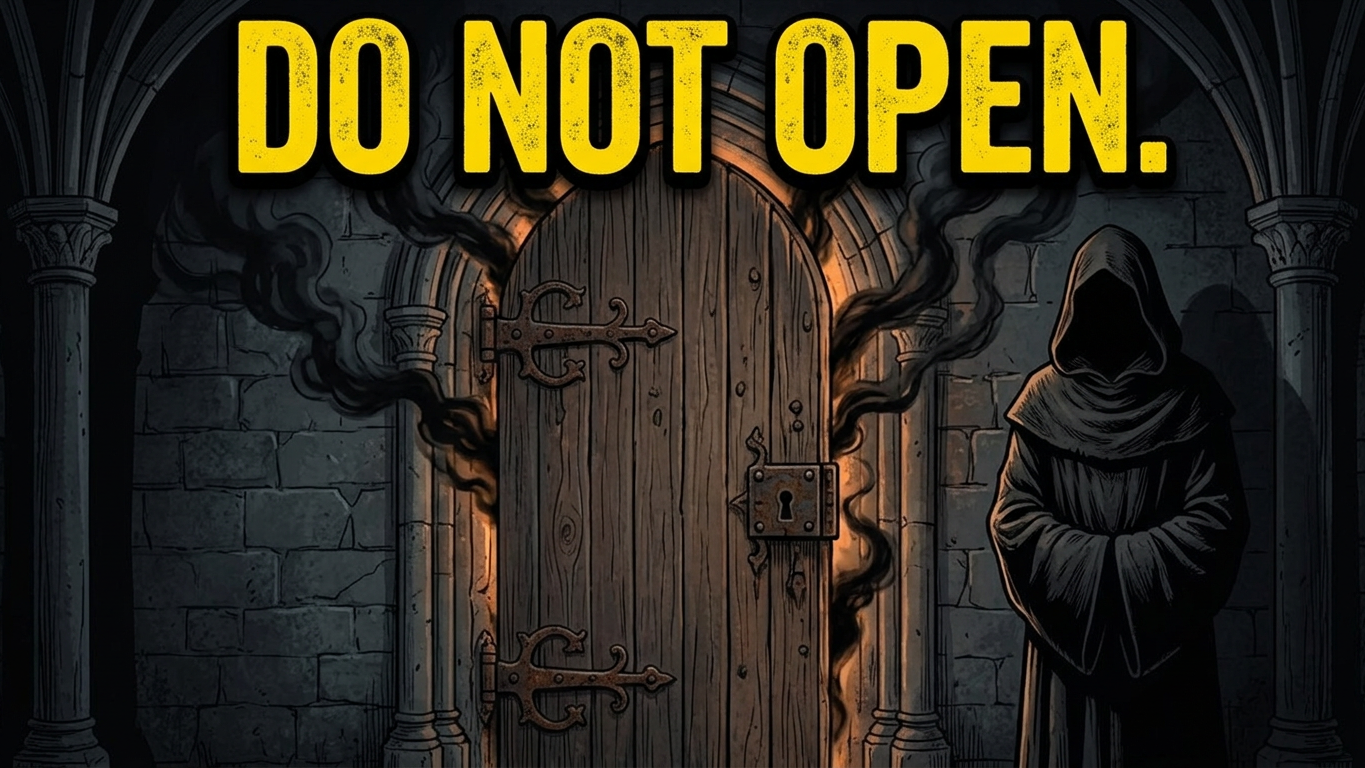
From there, Houska Castle’s history stacks new layers onto the old fear. A faceless, black-robed monk is reported near the chapel, sometimes described as a haunting and sometimes as a sentinel. Later owners try to domesticate the fortress, but the story snaps back to the pit during the 17th century with the mercenary Oranto, rumored to practice black magic and chase an elixir of eternal life inside the walls. The 20th century adds documented darkness when Nazi forces seize the castle during the German occupation, using it to store confiscated Jewish and Masonic books and manuscripts. Rumors claim SS interest in occult power and midnight rituals, tied to organizations like the Ahnenerbe, though hard evidence is absent. Modern paranormal investigators arrive with EMF meters and cameras, reporting equipment failures, oppressive sensations in the chapel, scratching under stone, and even screams that seem to rise from beneath the floor. The episode closes on the most enduring takeaway: Houska is remembered not for battles or kings, but for a door nobody wants opened, and for the unsettling idea that some fortresses are built to keep something in.
An Analysis of the Huska Castle Left Handed Centaur Fresco and Its Occult Meaning