Azazel: The Angel Who Armed Humanity and Paid the Price
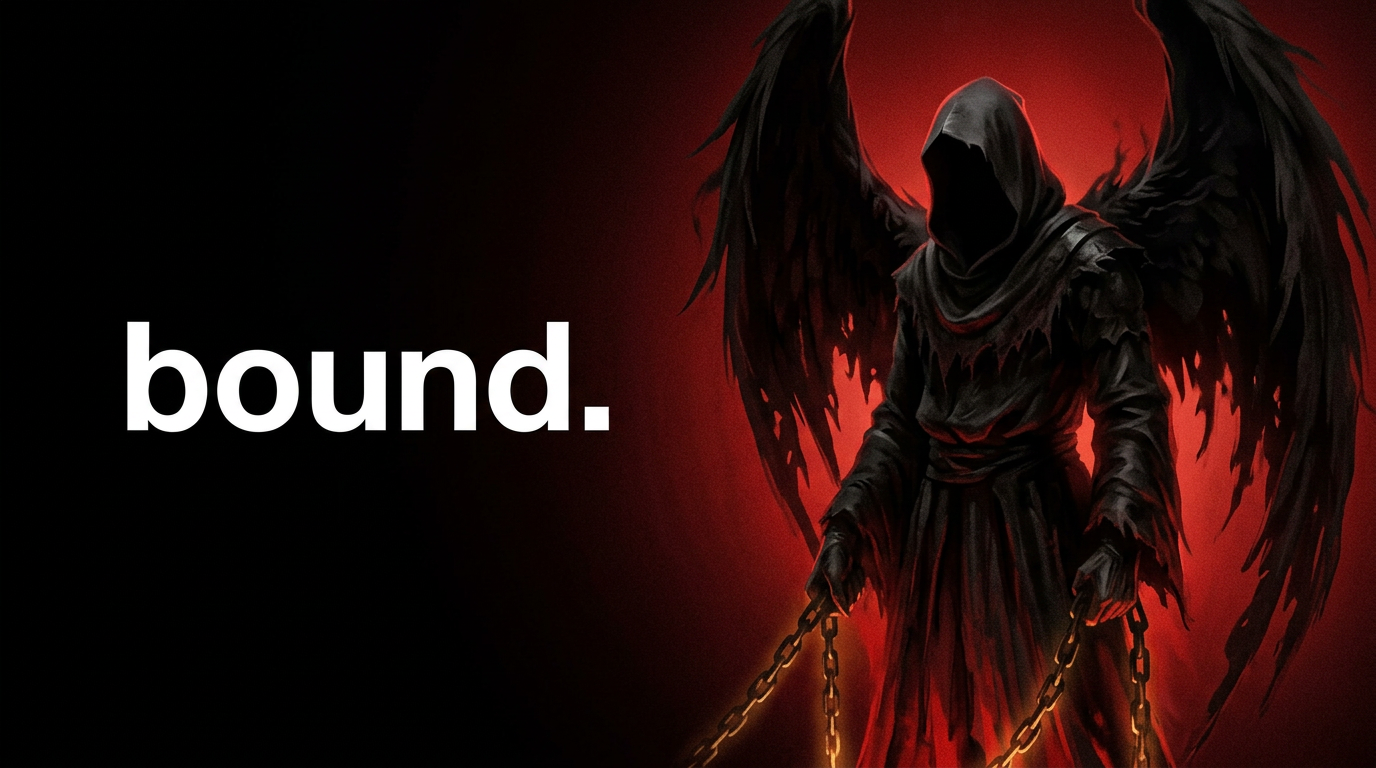
The Azazel: The Architect of Human Ruin episode of Midnight Signals opens a chapter of ancient history that most religious traditions deliberately buried. Long before organized warfare, before vanity became a social weapon, one specific entity handed humanity the tools for both. His name was Azazel. Not just a rebel among the Watchers, but the singular figure held most responsible for the catastrophic corruption that preceded the Great Flood. This post unpacks who Azazel was, what he actually taught, and why his punishment was unlike anything handed to the other fallen angels.
Key Takeaways
-
The Book of Enoch singles out Azazel above all other rebellious Watchers as the primary cause of humanity's pre-Flood moral collapse.
-
Azazel's two specific teachings, metal-forging for weapons and the use of cosmetics and jewelry to inflame desire, were not incidental sins but a deliberate curriculum of destruction.
-
Unlike the other Watchers who were simply condemned, Azazel was physically bound, cast into a pit, and buried alive under jagged stones in the desolate wilderness of Dudael.
-
The ancient Israelite scapegoat ritual, performed on the Day of Atonement, is directly linked to the name Azazel, suggesting his punishment was woven into the fabric of religious practice for generations.
-
Azazel's sentence is not a death sentence. He is contained, awaiting final judgment. The distinction between imprisonment and destruction matters enormously in ancient cosmology.
The Forbidden Curriculum: Weapons and Vanity
When the Watchers descended and took human wives, the result was the Nephilim, massive hybrid offspring that dominated the earth. But the corruption Azazel introduced operated on a different level entirely. He didn't simply interbreed. He educated. And what he chose to teach tells you everything about the nature of the threat ancient writers believed he posed.
The first strand of his curriculum was metallurgy, specifically the forging of iron and copper into swords, shields, knives, and instruments of war. Before this knowledge entered the human world, conflict existed but was bounded by the limits of the body. After it, one person with a blade could kill many. Armies became possible. Organized, industrialized violence became the new norm. The Book of Enoch frames this as the direct cause of the bloodshed that cried out to heaven and triggered the divine response.
The second strand was subtler but just as corrosive: the art of cosmetics, jewelry, and ornament. In context, this isn't merely about vanity. It's about desire as a tool of manipulation and appearance as a weapon of social control. Where weapon-forging transformed conflict into warfare, this teaching transformed relationships into transactions of power and deception. Together, the two curricula didn't just damage humanity. They restructured the operating logic of civilization itself.
Why Azazel Was Judged Above All Others
The Book of Enoch is explicit on this point: Azazel bears a category of guilt that exceeds the other Watchers. The text states directly that "the whole earth has been corrupted through the works that were taught by Azazel: to him ascribe all sin." This is a remarkable claim. It doesn't spread blame across the rebellion. It concentrates it.
The reason appears to be intentionality. The other Watchers transgressed through lust and the impulse to take what was forbidden. Azazel's transgression was architectural. He designed a system by which corruption would self-replicate through human hands long after he was gone. Once metalworking and the manipulation of desire were loose in the world, no divine intervention could uninvent them. His teachings were a permanent download into the human operating system.
This is why the divine response is so targeted. Raphael is dispatched personally, not to destroy Azazel, but to bind him. The judgment acknowledges that you cannot simply kill the knowledge he spread. You can only remove its source.
Dudael: The Punishment and What It Means
The location of Azazel's imprisonment, the wilderness of Dudael, is not incidental. Scholars have debated the precise geography, with some linking it to the rocky desert wilderness southeast of Jerusalem. What matters is the symbolism: total desolation, total isolation, total darkness.
Azazel is described as being bound hand and foot, cast into the jagged rocks, his face covered in perpetual darkness. He is not executed. He is warehoused. The text is deliberate about this. He is placed there until the Day of Judgment, at which point he will be cast into fire permanently. The imprisonment is a holding pattern, not a conclusion.
This distinction echoes through centuries of religious thought. The Israelite scapegoat ritual, where one goat was symbolically loaded with the sins of Israel and sent into the wilderness on the Day of Atonement, bears his name directly in Leviticus 16. Whether the ritual was designed as a symbolic reenactment of Azazel's punishment or simply incorporated his name into existing practice, the result is the same: his story was kept alive inside one of the most important religious ceremonies in ancient Israel. Year after year, a goat walked into the wilderness carrying sin, echoing the original exile of the one who introduced sin's most effective mechanisms. What still waits in that desolate place is a question the episode leaves open, because the texts don't close that door.
Frequently Asked Questions
Who exactly was Azazel, an angel or a demon?
In the Book of Enoch and related Second Temple texts, Azazel is one of the Watchers, a class of angelic beings assigned to observe humanity. He is not originally a demon. He becomes a figure of corruption through choice, not nature, which makes his role more theologically unsettling than a simple demonic antagonist.
What did Azazel actually teach humanity?
Two things specifically: the craft of metalworking, smelting iron and copper into weapons, and the arts of cosmetic adornment, including the use of dyes, pigments, and jewelry to manipulate desire. The episode explores how these two seemingly different teachings functioned as a coordinated system of corruption.
Why was Azazel punished more severely than the other Watchers?
The Book of Enoch states explicitly that all sin is to be ascribed to Azazel above all others because his teachings were permanent. He gave humanity tools that would corrupt civilization indefinitely, long after his own removal.
What is the Dudael wilderness?
Dudael is described in the Book of Enoch as a desolate, rocky wasteland where Azazel was imprisoned. Some scholars have proposed it corresponds to the rocky desert near Jerusalem, though the text treats it primarily as a symbol of absolute isolation and divine quarantine rather than a specific geographic location.
Is Azazel dead or just imprisoned?
According to the text, Azazel is imprisoned, bound under stone, alive, and waiting. His final destruction is reserved for the Day of Judgment. Imprisonment and death carry very different meanings in ancient cosmology, and the fact that Azazel has not yet been destroyed is a thread the episode pulls carefully.
What is the connection between Azazel and the biblical scapegoat?
Leviticus 16 describes a Day of Atonement ritual in which two goats are chosen. One is sacrificed, and one is sent into the wilderness "for Azazel." Most scholars now read this as a direct reference to the figure from Enoch. The goat is symbolically loaded with Israel's sin and sent to the place of Azazel's imprisonment, enacting the original exile in miniature every year.
Related Episode: Azazel: The Architect of Human Ruin


