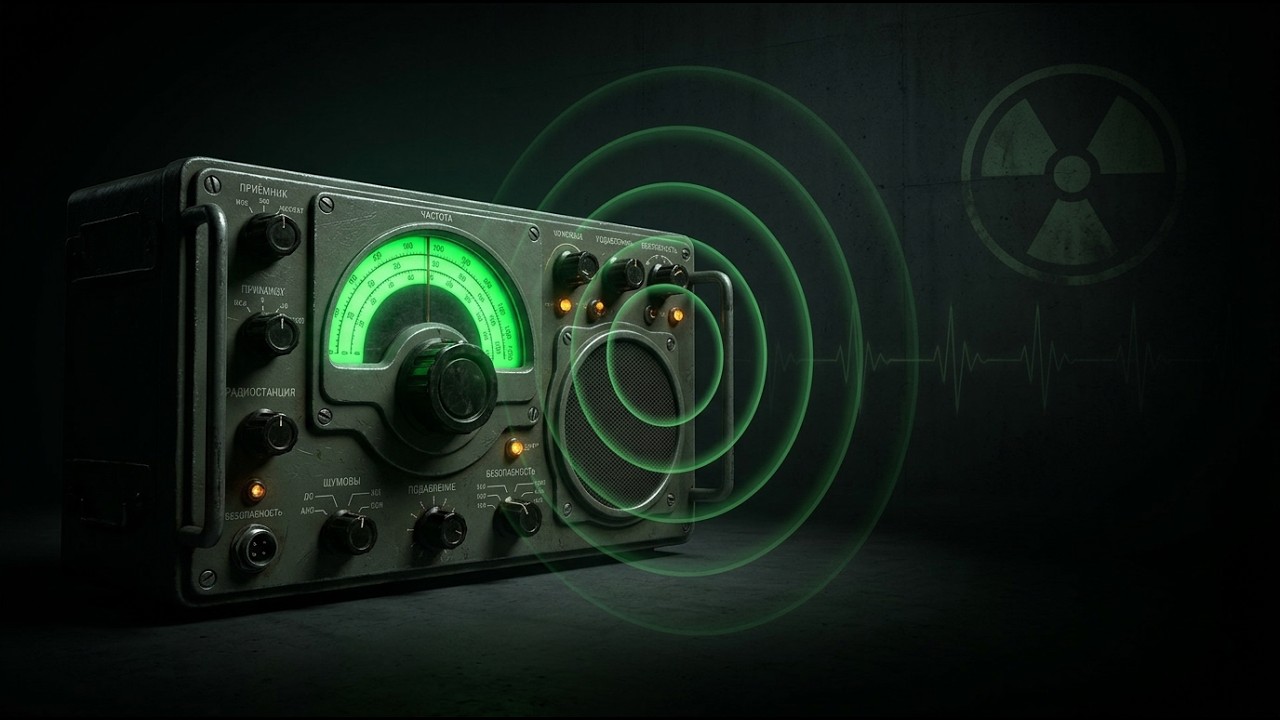
UVB-76's Shifting Identity: More Than Just a Number
For decades, the enigmatic UVB-76 signal has pulsed across the airwaves. But beneath the chilling buzz lies a complex identity. This post explores how its evolving call signs reveal a story of adaptation and persistent, hidden operations, far beyond a simple designation.
Key Takeaways
- The changes in UVB-76's call sign—from UVB-76 to MDZHB and ZHUOZ—are not random but signify significant shifts in its operational status or administrative oversight.
- These evolving designations suggest a deliberate, managed system rather than a static, forgotten broadcast.
- Tracking these call sign alterations provides a unique lens through which to understand the signal's longevity and adaptability through various geopolitical eras.
- The consistent pattern of call sign changes points to a continuing, albeit clandestine, purpose for the transmission.
- Examining the call sign evolution offers a more grounded, less speculative approach to understanding the enduring mystery of the signal.
Beyond the Buzz: An Evolving Name
The persistent, monotonous buzz emanating from 4625 kHz is the signature sound of what was initially known as UVB-76. For over four decades, this signal has been a constant presence on the shortwave spectrum, outlasting the Cold War, the fall of the Soviet Union, and numerous global upheavals. While many theories swirl around its purpose, from doomsday alerts to the chilling 'Dead Hand' system, a closer look at the signal's operational history reveals a fascinating layer of adaptation: its name itself has changed. The evolution from UVB-76 to other designations like MDZHB and, more recently, ZHUOZ, is not merely an administrative footnote. Instead, these shifts represent a crucial narrative thread, hinting at administrative realignments, operational changes, and the signal's enduring capacity to persist under different guises.
From UVB-76 to MDZHB: The First Major Shift
The initial designation, UVB-76, became synonymous with the mysterious Russian broadcast. However, in the mid-2000s, shortwave listeners began to notice a change. The call sign associated with the frequency shifted to MDZHB. This was a significant development, marking the first publicly observable alteration to the signal's identity since its inception. The transition from a numerical designation, possibly tied to a specific military unit or location, to a more alphanumeric one, suggested a potential restructuring or modernization of the broadcast's command and control. It indicated that the signal was not a relic of a bygone era, but a system that was actively being managed and potentially repurposed. This change alone challenged many assumptions about UVB-76 being a dormant or forgotten transmission. It implied an ongoing requirement for its operation, necessitating a revised identifier.
The ZHUOZ Era and Continued Evolution
The evolution did not stop with MDZHB. More recently, observers noted another shift, with the call sign becoming ZHUOZ. Each subsequent change suggests a further layer of complexity and continuous management. These alterations could reflect changes in the governing body, a shift in the broadcast's specific function, or even a move to a new operational center while maintaining the same frequency. The fact that these changes are observable to a dedicated community of listeners highlights the signal's persistent presence and the continued interest it garners. The transition to ZHUOZ further solidifies the notion that UVB-76, in its various forms, represents a dynamic and actively maintained communication channel, rather than a static anomaly. It underscores a deliberate effort to ensure its continuity, even as its designation evolves.
What the Call Sign Changes Tell Us
The most compelling aspect of the evolving call signs is what they reveal about the signal's underlying purpose and longevity. Firstly, they demonstrate a clear operational continuity. A system that changes its identifier is one that is still functioning and being administered. This directly counters theories that suggest the signal is a historical artifact or a system left running by accident. Secondly, these shifts hint at a hierarchical and adaptable command structure. Military or intelligence operations often undergo reorganizations, and changing call signs is a standard procedure to reflect these changes, ensuring operational security and clarity. It suggests a sophisticated, long-term requirement that has persisted through significant geopolitical changes, adapting its identity as needed.
Furthermore, the evolution of the call signs provides a more tangible point of analysis for researchers and enthusiasts. Instead of relying solely on speculation about 'Dead Hand' or doomsday scenarios, focusing on these observable changes allows for a more grounded investigation. It prompts questions about who is making these changes, why, and what purpose the signal continues to serve. Are these purely administrative, or do they indicate a change in the signal's actual content or intended recipients? The evolving call signs transform UVB-76 from a static enigma into a dynamic entity, whose very identity shifts signal ongoing activity and deliberate intent. This focused examination of its changing names offers a unique pathway to understanding its enduring mystery.
Ultimately, the story of UVB-76 is not just about a strange buzz; it's about a persistent signal that has adapted its very name to survive and, presumably, to serve a continuing purpose. The shifts from UVB-76 to MDZHB and then to ZHUOZ are powerful indicators of an operational system that remains active, managed, and integral to a clandestine function. By focusing on these evolving call signs, we gain a clearer, less speculative insight into the enduring presence of this enigmatic broadcast on the shortwave airwaves.
For a deeper dive into the mysteries and history of this persistent signal, listen to the full episode of Midnight Signals: UVB-76: The Signal Waiting for the World to End.
Frequently Asked Questions
What was the original call sign of the signal?
The signal was originally designated UVB-76.
What other call signs have been associated with the frequency?
Besides UVB-76, the frequency has been known by other call signs, notably MDZHB and more recently ZHUOZ.
Why would a signal change its call sign?
Changing call signs can indicate administrative realignments, shifts in operational command, modernization of systems, or security updates within the organization operating the signal.
Does the change in call sign mean the signal's purpose has changed?
Not necessarily. A change in call sign often reflects a change in administrative oversight or operational structure rather than a complete overhaul of the signal's fundamental purpose, although it can sometimes accompany functional shifts.
Can the call sign changes help us understand the signal's purpose?
Yes, the evolution of call signs suggests an actively managed and persistent system, indicating it has a continuing, deliberate function rather than being a static or abandoned broadcast.