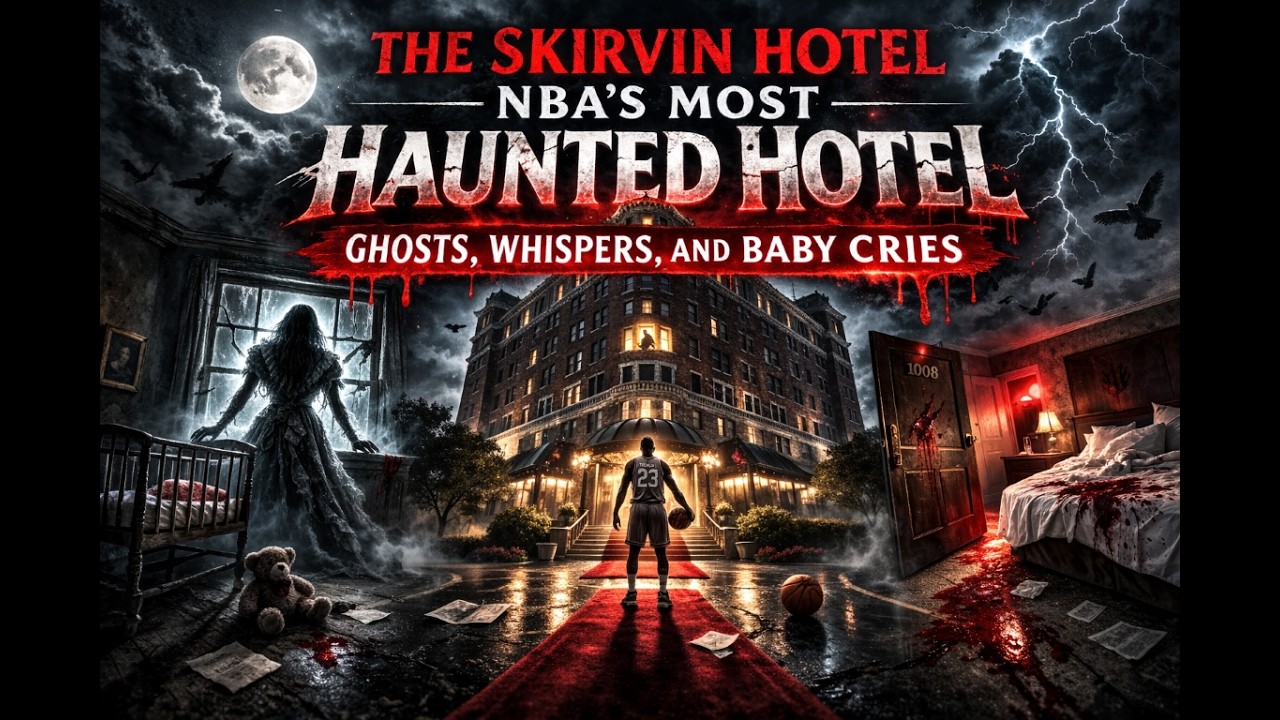
The Skirvin Hilton's Sleep Sabotage: How Phantom Phenomena Disrupt NBA Player Performance
Beyond the roar of the crowd, the Skirvin Hilton in Oklahoma City presents a unique challenge for NBA teams. This post explores how the hotel's alleged sleep disturbances—from phantom noises to unsettling presences—directly undermine athletes' rest, impacting their cognitive function and on-court execution.
Key Takeaways
- The Skirvin Hilton's alleged paranormal activity specifically targets players' sleep cycles, leading to profound fatigue.
- Reported phenomena, such as unexplained sounds and perceived movements, trigger anxiety that inhibits restful sleep.
- Sleep deprivation caused by these disturbances demonstrably affects NBA players' reaction times and decision-making abilities.
- The cumulative effect of disrupted sleep creates a significant, albeit unusual, home-field advantage for the Oklahoma City Thunder.
- Understanding these sleep-disrupting factors is crucial for athletes preparing to face the unique psychological challenges of playing in Oklahoma City.
The Battle for Rest: Sleep Deprivation and the NBA Athlete
Professional basketball is a demanding profession where peak physical condition is paramount. However, the unseen battles players face often begin long before tip-off. For visiting NBA teams in Oklahoma City, the Skirvin Hilton hotel presents a unique and insidious adversary: the persistent disruption of sleep. Elite athletes require meticulous sleep hygiene to perform at their best. Their bodies need recovery, their minds need clarity, and their focus needs to be unwavering. Yet, reports from within the Skirvin Hilton suggest a hotel environment actively working against these critical needs. The alleged hauntings are not merely anecdotal spooky stories; they translate into tangible sleep deprivation, a critical vulnerability that can cripple an athlete's performance and provide an undeniable edge to their opponents.
Phantom Noises and Sleepless Nights
The accounts emanating from the Skirvin Hilton paint a consistent picture of a hotel where peaceful slumber is a luxury rarely afforded to visiting NBA players. Many athletes report being jolted awake by phantom noises—unexplained whispers, distant cries, or sudden thuds that have no discernible source. These auditory disturbances are particularly distressing because they occur in the supposed sanctuary of a hotel room, a space designed for rest and relaxation. The psychological impact is immediate: an athlete's natural defenses are heightened, their adrenaline spikes, and the intricate process of falling asleep or returning to sleep becomes an uphill battle. This constant state of hyper-vigilance, even if subconscious, prevents the deep, restorative sleep cycles essential for physical and mental recovery. The mind races, trying to rationalize the sounds, or worse, succumbing to the fear of the unknown, leaving players exhausted before the game even begins.
The Feeling of a Presence
Beyond auditory phenomena, many NBA players describe a pervasive and unsettling feeling of being watched or not being alone in their rooms. This sense of an unseen presence is deeply unnerving, especially for individuals accustomed to controlling their environment and maintaining a high level of personal space. For athletes who need to mentally disconnect and recharge, the persistent feeling of an occupying entity creates an atmosphere of constant unease. It’s a psychological intrusion that makes it incredibly difficult to relax. This isn't just a mild discomfort; it's a profound sense of vulnerability that can manifest as anxiety and even panic. When sleep is elusive due to this oppressive feeling, the consequences for an NBA player's performance are severe. Reduced cognitive function, impaired judgment, and slower reaction times are direct outcomes of prolonged sleep deprivation, all exacerbated by the psychological stress of feeling threatened within their own temporary dwelling.
Disrupted Sleep and Its Impact on Performance
The link between sleep and athletic performance is well-documented and undeniable. For NBA players, even a slight deficit in sleep can have catastrophic effects on the court. When players are deprived of adequate rest due to the disturbances at the Skirvin Hilton, their physical capabilities are compromised. Reaction times slow, coordination suffers, and the ability to execute complex plays under pressure diminishes significantly. Mentally, the fog of fatigue impairs decision-making, leading to costly turnovers or missed defensive assignments. A player who should be sharp and decisive can become sluggish and error-prone. The cumulative effect of these disruptions, game after game, night after night, can transform a formidable team into one that consistently underperforms. This hotel's alleged hauntings thus weaponize sleep deprivation, creating a unique psychological battlefield that directly impacts the outcome of the games played in Oklahoma City.
The Skirvin Hilton as a Supernatural Home-Field Advantage
The persistent and well-documented sleep disruptions experienced by NBA teams at the Skirvin Hilton have inadvertently cultivated a unique form of home-field advantage for the Oklahoma City Thunder. While opponents are struggling with fatigue and anxiety stemming from the hotel's alleged paranormal activity, the Thunder players, presumably accustomed to or unaffected by these phenomena, can approach games with their full physical and mental faculties intact. This disparity in readiness creates an uneven playing field that transcends traditional strategic advantages. The 'curse,' as it's sometimes called, effectively weakens the visiting team before they even step onto the court. It's a psychological edge, amplified by the lack of rest and the lingering fear, that can be difficult to overcome, regardless of a team's talent or game plan. The Skirvin Hilton, in this context, becomes more than just a place to stay; it becomes an active participant in the competition, albeit an unseen and unsettling one.
Conclusion: Sleep is Key
The narrative surrounding the Skirvin Hilton and its impact on NBA teams is a fascinating intersection of history, psychology, and performance. While the stories of hauntings are chilling, their most significant effect lies in their ability to disrupt sleep. For athletes whose careers depend on optimal rest and peak cognitive function, this sleep sabotage presents a formidable challenge. The psychological warfare waged by the Skirvin Hilton's alleged phenomena directly impacts player performance, creating an advantage for the home team rooted in sleep deprivation and anxiety. To truly understand the dynamics of playing in Oklahoma City, one must acknowledge the unseen opponent: the battle for a good night's sleep. For more on the unexplained phenomena that plague the NBA, listen to the The Skirvin Curse: Why the NBA Fears Oklahoma City episode of Midnight Signals.
Frequently Asked Questions
Q: How does the Skirvin Hilton's alleged haunting specifically target sleep?
A: Reports indicate that phantom noises, a sense of presence, and unexplained occurrences disrupt players' ability to fall asleep and stay asleep, preventing the deep, restorative sleep cycles necessary for athletic performance.
Q: Can sleep deprivation truly affect professional basketball performance?
A: Absolutely. Sleep deprivation significantly impairs reaction time, cognitive function, decision-making abilities, and overall physical stamina, all critical components of a basketball player's game.
Q: Are NBA players often forced to change hotels due to the Skirvin Hilton's conditions?
A: While not always publicized, there have been instances where players have requested to move rooms or even sought alternative accommodations to escape the unsettling atmosphere and attempt to get better rest.
Q: Is the "curse" attributed to a specific ghost or event at the Skirvin Hilton?
A: The legend often centers around Effie, a former hotel maid. Her tragic story and alleged lingering presence are frequently cited as the source of the disturbances that affect guests, particularly those who need undisturbed rest.