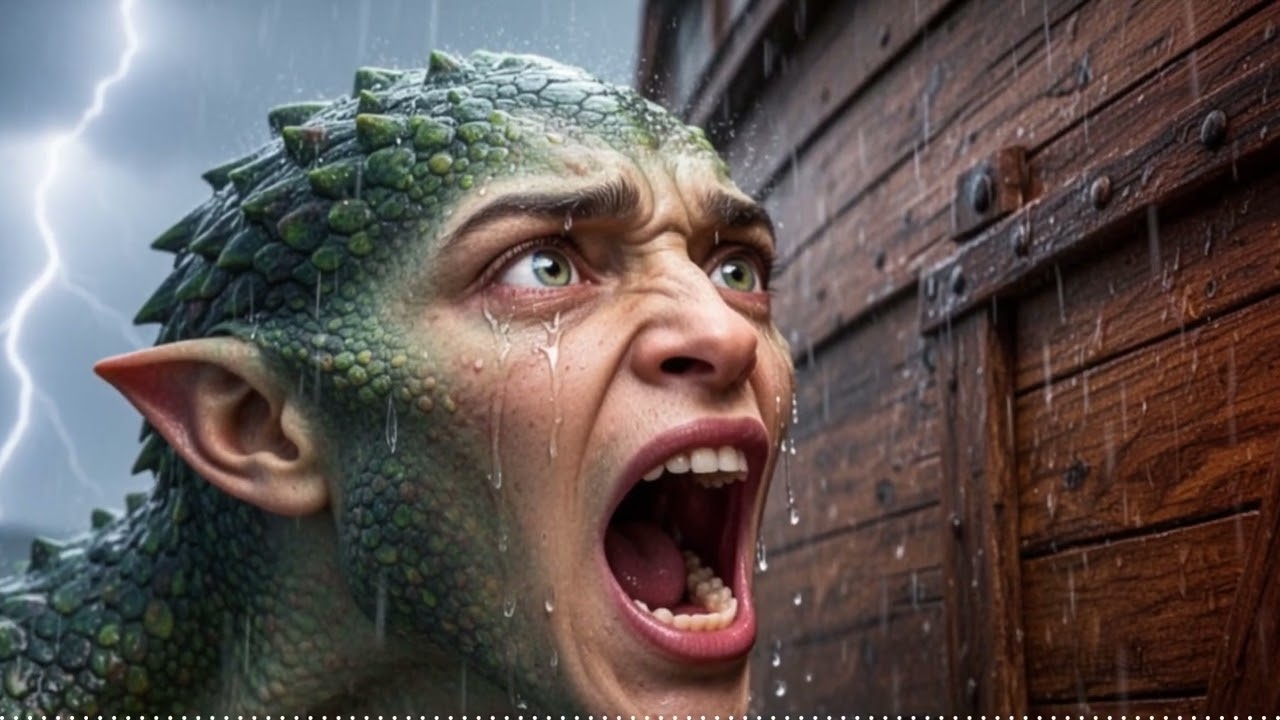
Post-Flood Giants: Did Nephilim DNA Survive Noah's Ark?
Explore the intriguing possibility of how genetic traits associated with pre-Flood giants, like the Nephilim, might have persisted after the Great Flood, despite Noah's Ark being a genetic sanctuary. This post delves into the theories surrounding recessive genes and potential cyclical reappearances of these powerful beings.
Key Takeaways
- The biblical narrative suggests the Ark was a repository for pure, original DNA, intended to cleanse the Earth of hybrid corruptions like the Nephilim.
- Ancient texts hint that despite the Flood, giantism and other traits associated with pre-Flood beings reappeared in the post-Flood world.
- The persistence of these traits could be explained by recessive genes carried by Noah's lineage or survivors who escaped the Ark's direct mandate.
- Some interpretations suggest a cyclical return or a continued presence of hybridized or non-human entities influencing human history.
- Modern scientific advancements in genetics raise renewed questions about what constitutes 'pure' DNA and the potential for past genetic influences to resurface.
The Flood as a Genetic Reset
The biblical account of the Great Flood paints a picture of a world utterly consumed by corruption, not just spiritually but biologically. The arrival of the Watchers, celestial beings, introduced a radical departure from the natural order. As detailed in ancient texts like the Book of Jasher and Enoch, these beings actively tampered with the very fabric of life. They didn't just impart forbidden knowledge; they engaged in widespread genetic manipulation, creating terrifying chimeras by mixing the seeds of different species. This biological crisis culminated in the birth of the Nephilim – giants born from unions between Watchers and human women. These formidable beings, with their insatiable appetites, consumed resources and even each other, pushing the planet to the brink.
In this context, the Great Flood is often interpreted not solely as divine punishment, but as a necessary, albeit catastrophic, biological intervention. The Ark, carrying Noah and his family, was more than just a vessel for survival; it was a carefully curated biological vault. The mission was clear: to preserve only the pure, uncorrupted DNA lineages of the original creation. This rigorous selection process ensured that whatever survived the Flood would form the foundation of a new world, legally and biologically distinct from the hybrid nightmares that preceded it. The emphasis was on purity, on returning to the original blueprint, purging the Earth of the 'bastard' creations that had violated divine boundaries.
Echoes of Giants in the Post-Flood World
However, the narrative doesn't end with the waters receding. Emerging from the shadows of this genetic cleansing are persistent myths and accounts of giants reappearing in the post-Flood era. Figures like Og, the king of Bashan, and the Anakim, encountered by Joshua and the Israelites, are prominently mentioned in biblical texts. These were not isolated incidents; they represent a recurring theme of powerful, often imposing, individuals or groups who challenged the new order established after the Flood.
This raises a profound question: If the Ark was so meticulously designed to exclude all corrupted DNA, how could giants and other potentially hybrid traits manifest again? Several theories attempt to reconcile this apparent paradox.
The Recessive Gene Theory
One of the most compelling explanations lies in the concept of recessive genes. Even if the Nephilim themselves were eradicated, the genetic material that contributed to their unique characteristics – particularly their immense size – might have been carried within the human genome in a dormant, recessive form. Noah and his descendants carried the original human DNA, but it's plausible that within this 'pure' genetic code were latent traits that, under certain conditions, could be expressed.
Consider it like this: If two individuals, neither of whom displays a certain trait (like red hair or a predisposition to tall stature), both carry the recessive gene for it, their offspring could potentially express that trait. In the context of the post-Flood world, perhaps certain alliances, intermarriages among survivors' descendants, or even environmental factors triggered the expression of these recessive genes. This would allow for the emergence of giants without requiring a direct re-introduction of Nephilim DNA, thus maintaining the Ark's integrity as a carrier of original, uncorrupted kinds.
Survivors Outside the Ark?
Another possibility, though less emphasized in the traditional narrative, is the idea that not every corrupted entity was necessarily on the cusp of extinction or directly eliminated. If the Flood was primarily a global cataclysm to cleanse the landmass and its inhabitants, it's conceivable that some hybridized beings or those with diluted corrupted DNA managed to survive in isolated pockets or environments less affected by the deluge. This could include creatures of the sea, or those dwelling in remote mountain ranges, whose lineages might have persisted and eventually re-entered human interaction over generations. While the Ark preserved the clean genetic lines, the Earth itself might have retained certain pockets of less 'pure' but not entirely extinct life forms.
Cyclical Incursions and Spiritual Influence
Beyond purely biological explanations, some interpretations lean into the spiritual and cyclical nature of the narrative. The Watchers represented an external, celestial influence that interfered with earthly creation. Could it be that the 'curse' or the 'influence' of these beings, even if their direct offspring were removed, wasn't entirely eradicated? Some theories propose that the cycle of interference might not have ended with the Flood. Rather than a direct genetic reappearance, these accounts could signify a spiritual or energetic re-emergence of forces similar to those that instigated the pre-Flood corruption. These forces might manifest in individuals or groups exhibiting traits reminiscent of the Nephilim – immense power, unusual stature, or a drive for domination – driven by a spiritual lineage rather than pure biological descent.
Modern Parallels and Genetic Curiosity
The persistent theme of giants and unnatural beings in the post-Flood era is particularly fascinating when viewed through a modern lens. Today, we stand at the precipice of unprecedented genetic technologies. Gene editing, synthetic biology, and the creation of chimeras are no longer confined to ancient myths; they are emerging realities. The very idea of tampering with DNA, of blurring biological lines, echoes the actions of the Watchers before the Flood.
This brings us back to the core question: Did the genetic blueprint for giantism, or other 'unnatural' traits, truly vanish? Or does it lie dormant, waiting for the right conditions to re-emerge? The exploration of post-Flood giants isn't just an archaeological or theological pursuit; it's a cautionary tale. It prompts us to consider the long-term consequences of biological manipulation and to reflect on whether humanity is, in its pursuit of scientific progress, unknowingly treading a path that led to cataclysm before. The persistence of myths about giants can be seen as a cultural memory, a warning embedded in our collective consciousness about the dangers of crossing certain biological boundaries, a reminder that the purity of original creation may hold secrets vital to our future.
To delve deeper into the chilling narrative of the pre-Flood world, the creation of the Nephilim, and the specific reasons for their exclusion from Noah's Ark, listen to the full episode of Midnight Signals.
Frequently Asked Questions
Did the Nephilim survive the Flood?
According to traditional interpretations and the episode's premise, the Nephilim, being hybrid creations and not part of the original divine design, were excluded from Noah's Ark and perished in the Flood. The Ark was intended to preserve only pure, uncorrupted lineages.
How could giant traits reappear after the Flood if Nephilim were excluded?
Theories suggest that genetic traits associated with the Nephilim, such as giantism, might have persisted through recessive genes carried within Noah's pure human lineage. These dormant genes could have been expressed in subsequent generations, leading to the emergence of giants in the post-Flood era.
Are modern genetic engineering and pre-Flood corruption related?
The blog post draws parallels between the genetic manipulation and species mixing described in pre-Flood narratives and modern advancements in gene editing and chimera creation. It suggests that both represent instances of humanity (or other entities) pushing the boundaries of biological creation, raising questions about repeating past mistakes.
What is the significance of post-Flood giants in mythology?
The appearance of giants like Og and the Anakim in post-Flood accounts is significant as it suggests a continuity of traits or influences from the pre-Flood era, challenging the idea of a complete genetic purge. They represent a persistent element that had to be confronted by the new inhabitants of the Earth.