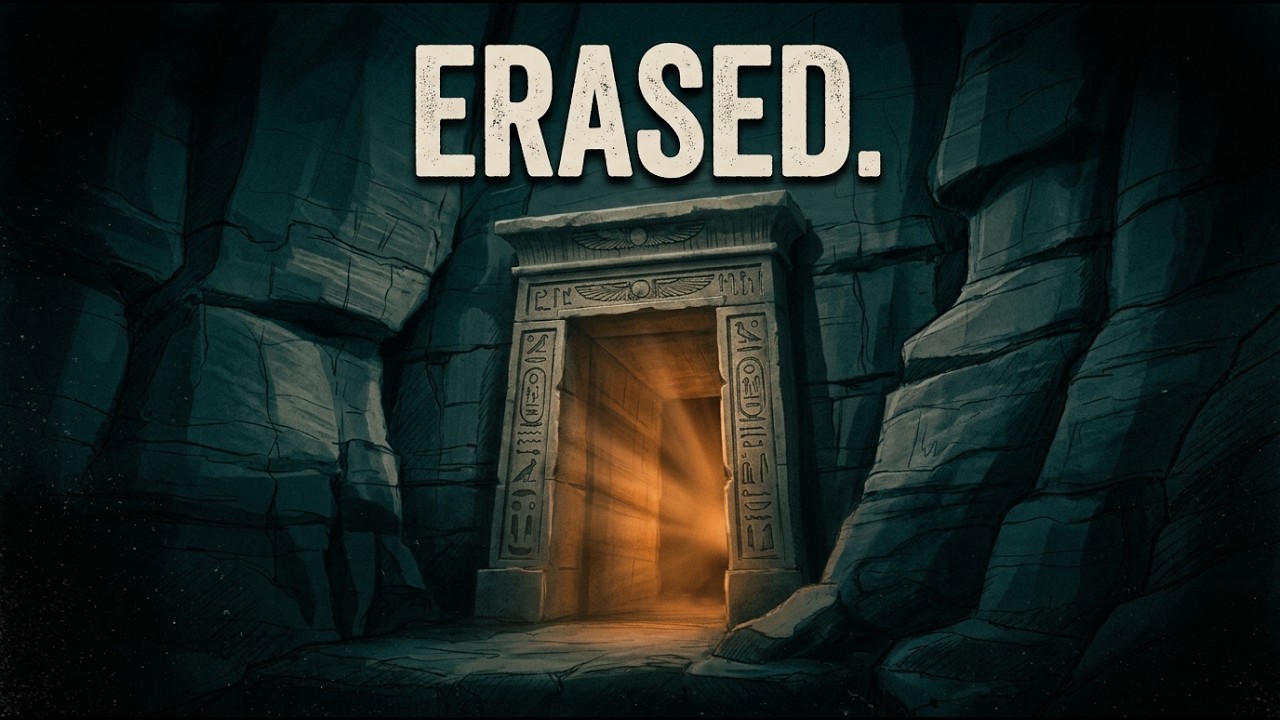
Grand Canyon's Hidden Tunnels: Hopi Legends and Ancient Underground Connections
Could the mysterious tunnels rumored to exist within the Grand Canyon hold secrets tied to the ancient Hopi Sipapu? Delve into the possibility that indigenous legends of underground realms offer a profound, overlooked connection to suppressed discoveries and a forgotten chapter of North American prehistory.
Key Takeaways
- Hopi oral traditions describe a sacred emergence point, the Sipapu, from which their ancestors ascended from the underworld.
- Ancient Hopi legends speak of subterranean realms and 'ant people' who guided their people.
- The descriptions of the Sipapu, a hidden passage to an underground world, bear striking resemblances to alleged tunnel discoveries in the Grand Canyon.
- These indigenous narratives provide a potential indigenous framework for understanding anomalous archaeological claims.
- Exploring these connections suggests a deeper, ancestral link between the physical landscape and the spiritual beliefs of the Hopi people.
- The possibility exists that these tunnels were not just conduits but sacred passages tied to ancient Hopi beliefs about creation and migration.
The Sipapu: A Portal to the Underworld
The Grand Canyon, a testament to geological time and power, also serves as a canvas for the rich spiritual tapestry of the Hopi Nation. Central to their cosmology is the concept of the Sipapu, a sacred place from which their ancestors emerged from the underworld to inhabit the current world. This isn't merely a symbolic location; Hopi tradition speaks of it as a physical gateway, a hidden portal that facilitated their transition. For generations, these stories have been passed down, detailing journeys through subterranean realms, guided by wise beings often referred to as the 'ant people' – a motif that appears consistently in their sacred narratives.
These ancestral accounts are not relegated to abstract mythology. They are intricately woven into the very fabric of the Grand Canyon, an ancestral homeland that has witnessed countless cycles of existence. The descriptions of the Sipapu, while varied, consistently point to a hidden or sacred passage leading to an underground world. This concept of a tangible connection between our surface reality and a vast, concealed subterranean realm resonates uncannily with persistent, though often dismissed, claims of hidden tunnel systems and subterranean structures within the Grand Canyon. Could these ancient Hopi narratives be more than just legend; could they be the keys to understanding anomalies within this awe-inspiring landscape?
Echoes in the Canyon: Tunnels and Oral Tradition
The idea of hidden tunnels beneath the Grand Canyon has long captured the imagination, fueled by anecdotal accounts and whispers of suppressed discoveries. While the sensational 1909 Arizona Gazette article about G.E. Kincaid's discovery of an underground city often dominates the conversation, the existence of extensive tunnel systems, separate from a singular city, is a recurring theme in local lore and the stories of those who have spent their lives exploring the canyon's depths. These accounts frequently describe natural and possibly artificial tunnels, some of immense size, leading into the earth.
When we juxtapose these accounts with the Hopi Sipapu legends, a compelling synergy emerges. The oral traditions speak of an emergence point, a passage from the underworld to the surface. The anecdotal reports of tunnels speak of passages leading into the earth. The 'ant people' of Hopi lore, often described as wise beings who dwelled underground and guided the ancient Hopi, could be interpreted as keepers or builders of these subterranean networks. The convergence of these narratives suggests that what might be dismissed as mere geological formations or fantastical tales could, in fact, represent remnants of an ancient, sophisticated understanding of the land and its hidden dimensions – an understanding deeply embedded in Hopi spiritual and historical consciousness.
Interpreting the Ancient Grand Canyon
The conventional archaeological perspective often struggles to accommodate narratives that deviate from established timelines and accepted historical frameworks. Discoveries that suggest advanced ancient civilizations or complex subterranean networks are frequently met with skepticism or outright dismissal, often attributed to misinterpretation, hoaxes, or natural phenomena. However, the persistent presence of these stories, particularly when they align with the deeply rooted oral traditions of indigenous peoples like the Hopi, warrants a more nuanced examination.
The Sipapu legend, in particular, offers a framework for understanding why ancient peoples might have created or utilized extensive tunnel systems. If their spiritual beliefs centered on emergence from and return to underground realms, then the construction or discovery of such passages would be of paramount spiritual and practical significance. These weren't just places of refuge from surface cataclysms, but sacred pathways imbued with ancestral power. The 'ant people' could represent a more advanced, perhaps even non-human, intelligence that understood and manipulated the subterranean world, leaving behind traces that we are only now beginning to decipher through the lens of indigenous knowledge and persistent whispers of hidden tunnels.
Suppressed Knowledge or Mythological Resonance?
The question of whether the Grand Canyon holds genuinely suppressed archaeological evidence or if these tales are profound mythological expressions remains a central enigma. The Smithsonian's alleged involvement in suppressing Kincaid's findings, while lacking definitive proof, adds a layer of intrigue to the narrative. However, focusing solely on suppression might overlook the profound cultural significance of the Sipapu. The Hopi traditions are not mere stories; they are living histories that connect the people to their origins and their land.
The enduring presence of legends about underground realms and sacred passages within Hopi culture suggests that these narratives hold a deeper truth for the people themselves. The rumored tunnels and hidden structures within the Grand Canyon could be seen not just as physical anomalies but as tangible echoes of these profound spiritual beliefs. The connection between the Grand Canyon Hopi Sipapu and the alleged underground tunnels invites us to consider a more holistic interpretation of history, one that integrates scientific inquiry with the wisdom of ancient oral traditions. Perhaps the greatest discoveries are not always those unearthed by conventional archaeology, but those revealed through a respectful understanding of the stories the land and its original stewards have always told.
For a deeper dive into the mysteries of the Grand Canyon and its connections to ancient legends, listen to the latest episode of Midnight Signals: The Grand Canyon Cover-Up: G.E. Kincaid’s Suppressed Subterranean City.
Frequently Asked Questions
Q: What is the Hopi Sipapu?
A: The Sipapu is a sacred site in Hopi cosmology, considered an emergence point from the underworld to the present world. It is a crucial element in their origin stories.
Q: Are there actual tunnels in the Grand Canyon?
A: While there are many natural cave systems and tunnels, persistent anecdotal accounts and legends suggest the existence of significant, possibly artificial, tunnel networks within the Grand Canyon, though official confirmation is scarce.
Q: What are the 'ant people' in Hopi legends?
A: The 'ant people' are figures in Hopi oral traditions who are said to have guided their ancestors, often associated with dwelling underground and possessing great wisdom.
Q: Is there scientific evidence for a suppressed underground city in the Grand Canyon?
A: Despite widespread interest and anecdotal reports, concrete, verifiable archaeological evidence of a suppressed underground city has not been officially presented or accepted by mainstream archaeology.
Q: How do Hopi legends connect to claims of underground discoveries?
A: Hopi legends of emergence from and existence within subterranean realms provide a cultural and spiritual context that resonates with persistent claims and rumors of hidden tunnels and underground structures in the Grand Canyon.